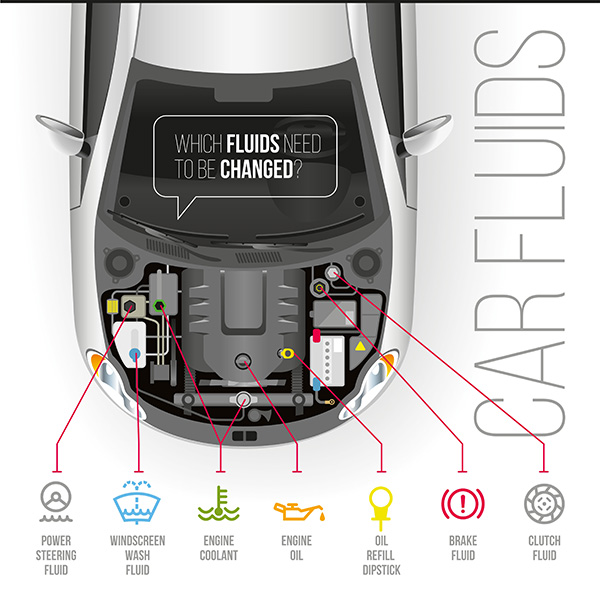
Most drivers do not think about fluids until something feels off. A warning light pops up, the temperature climbs in traffic, or the brakes start feeling different on the pedal. Fluids are the quiet side of vehicle health, and checking them takes less time than most people expect.
This is not about becoming a mechanic. It is about spotting low levels early, catching leaks before they grow, and keeping your car on a simple maintenance rhythm.
One quick inspection now and then can prevent a lot of hassle.
Why Car Fluid Checks Matter
Fluids cool, lubricate, clean, and transfer force. When a level drops, parts run hotter and wear faster. When fluid ages, it can lose its protective properties, allowing deposits or corrosion to form.
It also helps to remember that some problems hide in plain sight. A car can drive normally while the coolant level is low or the brake fluid is contaminated. By the time you feel it, you are often behind schedule.
1. Engine Oil Level Check
Engine oil is the big one. It lubricates, reduces heat, and carries debris to the filter. Low oil can cause noisy starts, overheating, and accelerated wear, especially in stop-and-go driving.
Check it on level ground with the engine off. Wait a few minutes after shutting down so oil drains back into the pan, then wipe the dipstick and recheck. If the level is consistently dropping between changes, that is your cue to look for a leak or oil consumption.
2. Coolant Level Check
Coolant controls engine temperature and prevents corrosion inside the cooling system. Low coolant can lead to overheating, weak cabin heat, or temperature swings that show up most in traffic.
Only check the coolant when the engine is cool. Look at the coolant reservoir markings and note the level. If it keeps dropping, do not keep topping it off and hoping for the best, because a small leak can turn into a bigger failure when the heat peaks.
3. Brake Fluid Level Check
Brake fluid is what transfers pedal force to the brakes. It also absorbs moisture over time, which lowers boiling resistance and can reduce braking consistency on long downhill drives or repeated stops.
The reservoir is usually easy to spot and has a minimum and maximum line. If the level is low, pads may be worn, or there may be a leak. Do not ignore a sudden drop, because brake fluid loss is a safety issue.
4. Transmission Fluid Check
Transmission fluid lubricates and manages heat inside the transmission. Some vehicles have a dipstick, others do not, so checking it depends on the design. If your vehicle has a dipstick, follow the owner’s manual, since some checks are done warm and in a specific gear position.
Common clues of trouble include delayed shifting, slipping, or a burnt smell. Old fluid can also cause harsher shifts. A simple check can reveal if the fluid looks unusually dark or smells burnt, which often means it is time to plan service.
5. Power Steering Fluid Check
Some vehicles use electric power steering and have no fluid. If your vehicle does have power steering fluid, it helps the steering system operate with less effort and less heat. Low fluid can cause whining noises, heavier steering at parking-lot speeds, and faster wear.
Look for the reservoir markings and check the level. If the fluid is low, it usually means there is a leak somewhere. The smart move is fixing the leak rather than topping off repeatedly.
Quick Fluid Check Mistakes
A few simple mistakes create bad readings. Checking oil right after shutting off, parking on a slope, or reading a dirty dipstick can make the level look wrong. Opening a hot cooling system is also risky, and it can burn you.
Here are habits that keep checks accurate and safe:
- Use level ground and consistent timing for oil checks
- Check coolant only when the engine is cool
- Keep a rag in the car so you can wipe dipsticks properly
- Use the correct fluid type, not whatever is nearby
- If a level keeps dropping, plan an inspection instead
When A Fluid Check Turns Into A Shop Visit
If a level drops repeatedly, there is a reason. Small leaks can stay small for a while, then suddenly worsen. If you notice a burning smell, wet spots under the car, temperature spikes, or a warning light, it is time to stop treating it like a minor top-off situation.
We also recommend checking fluids at least once a month, before trips, and after major weather shifts. Heat, cold, and long traffic commutes can expose weak seals and hoses.
Get Fluid Service in San Diego, CA with Import Auto Specialists
At Import Auto Specialists, we will check fluid levels and condition, identify leaks, and help you build a simple plan for regular maintenance that fits how you drive. We’ll explain what we find and what deserves attention first, so you can make confident decisions. Call or schedule an inspection today.
We’ll help you keep your car reliable without turning maintenance into a guessing game.